
Tower of Belém Tickets
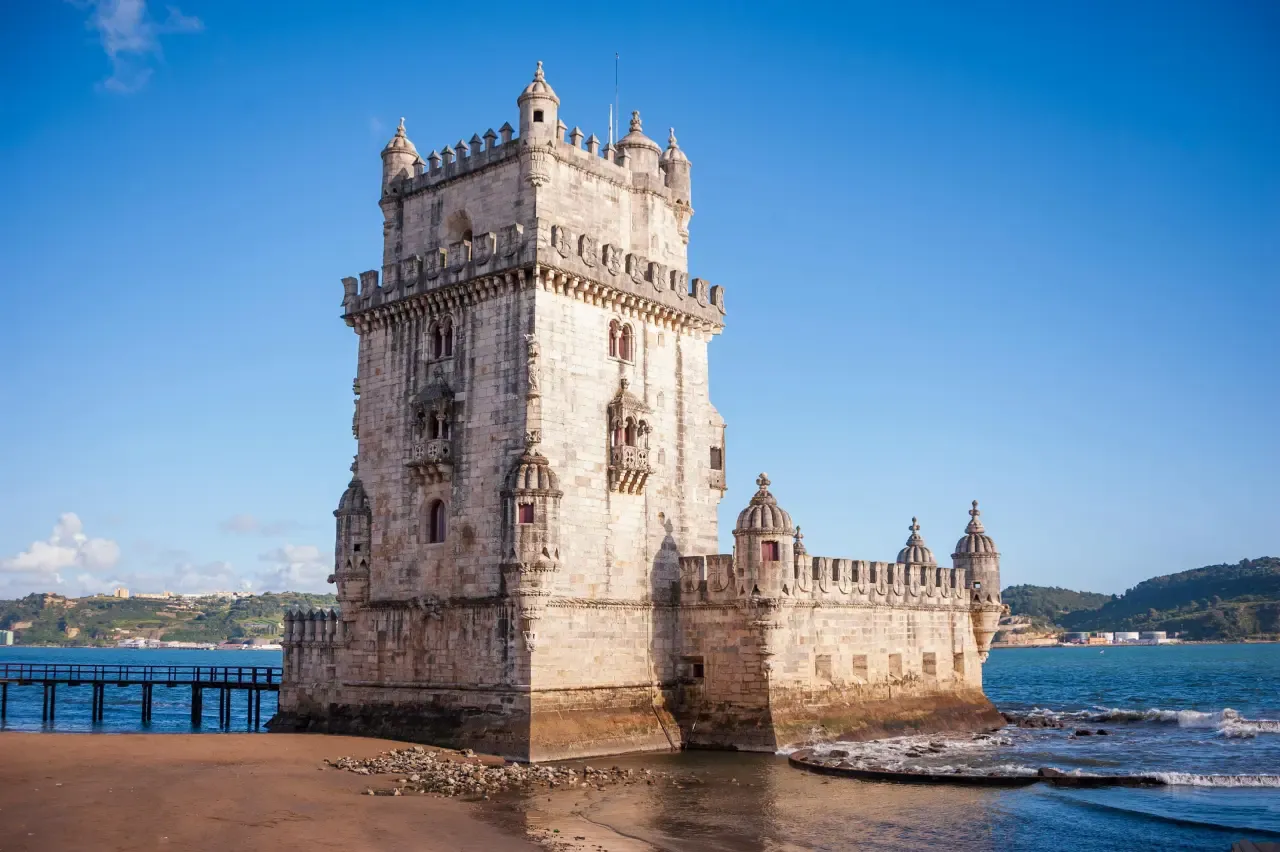
Belém Tower stands on the north bank of the Tagus River in Lisbon's Belém district, a UNESCO World Heritage fortification built in 1515 under King Manuel I. This page covers ticket booking, what the visit includes across five interior floors and the rooftop terrace, transport options, and practical tips for planning a visit to Torre de Belém.
Support when you need it
Customer support to help you with everything you need from 8:00 to 18:00.
Fast and online booking
Select your ticket for your needs and preferences and avoid the lines booking here.
Top attraction in Lisbon
Tour of the fortress to observe maritime history and the Manueline architectural details of the structure.
What is included with a Belém Tower ticket
The Belém Tower tickets provide entry to the 16th-century fortification and UNESCO World Heritage site located on the Tagus River. This admission grants access to the limestone structure and its historical chambers for a self-guided experience.
- Full access to the interior levels, including the Governor's Chamber, the King's Chamber, the Audience Room, and the Chapel.
- Entry to the Lower Bastion and the casemates, allowing for an inspection of the fortification's defensive areas.
- Access to the rooftop terrace, which offers panoramic views of the Lisbon waterfront and the Tagus River.
- Exploration of the Bulwark and the Bulwark deck, including the exterior facades of the monument.
Is the Tower of Belém open right now?
Belém Tower (Torre de Belém) is currently closed to visitors for construction and renovation works. The closure is managed by Museus e Monumentos de Portugal and affects access to the interior: the five floors, the bastion, and the rooftop terrace are all unavailable until renovation is complete. The tower is expected to reopen approximately spring–summer 2026, though visitors should check museusemonumentos.pt for confirmed updates before planning a trip.
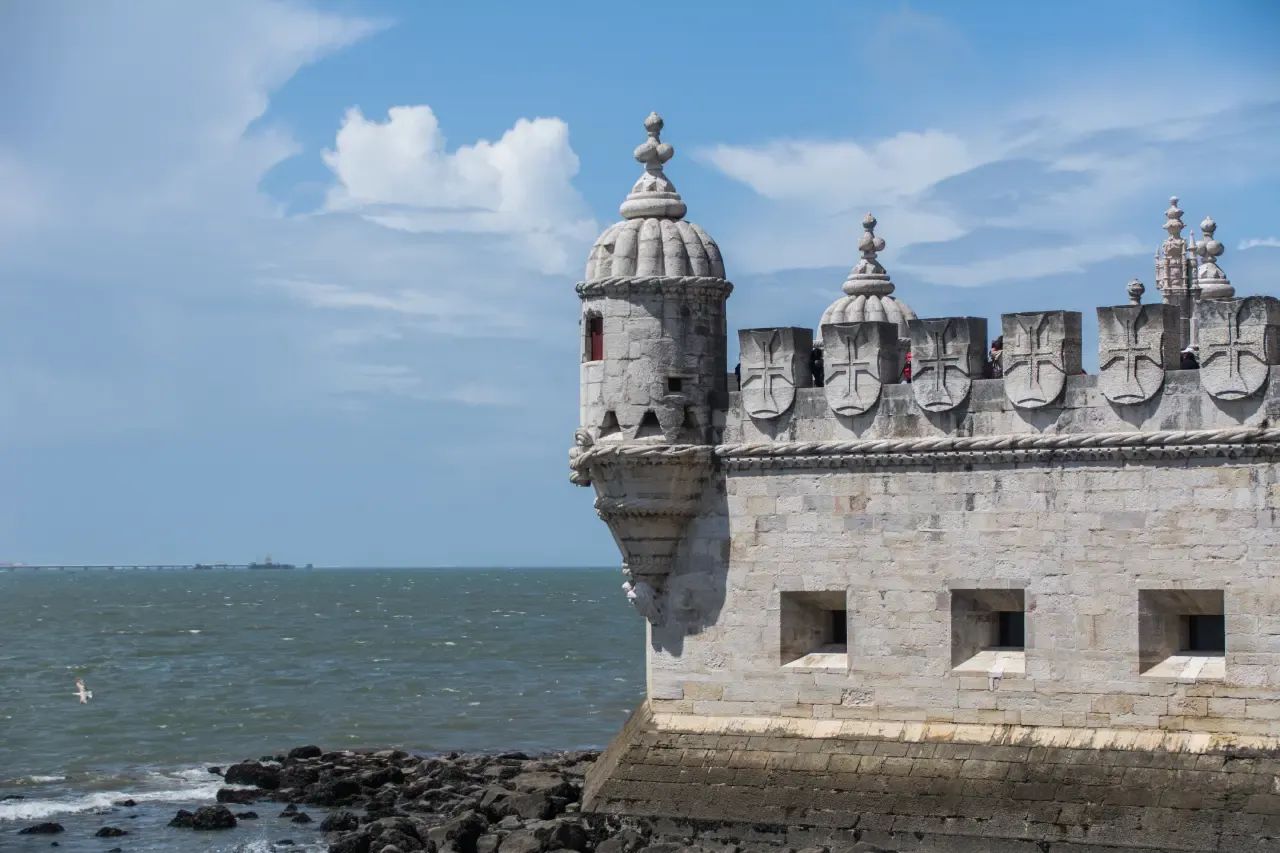
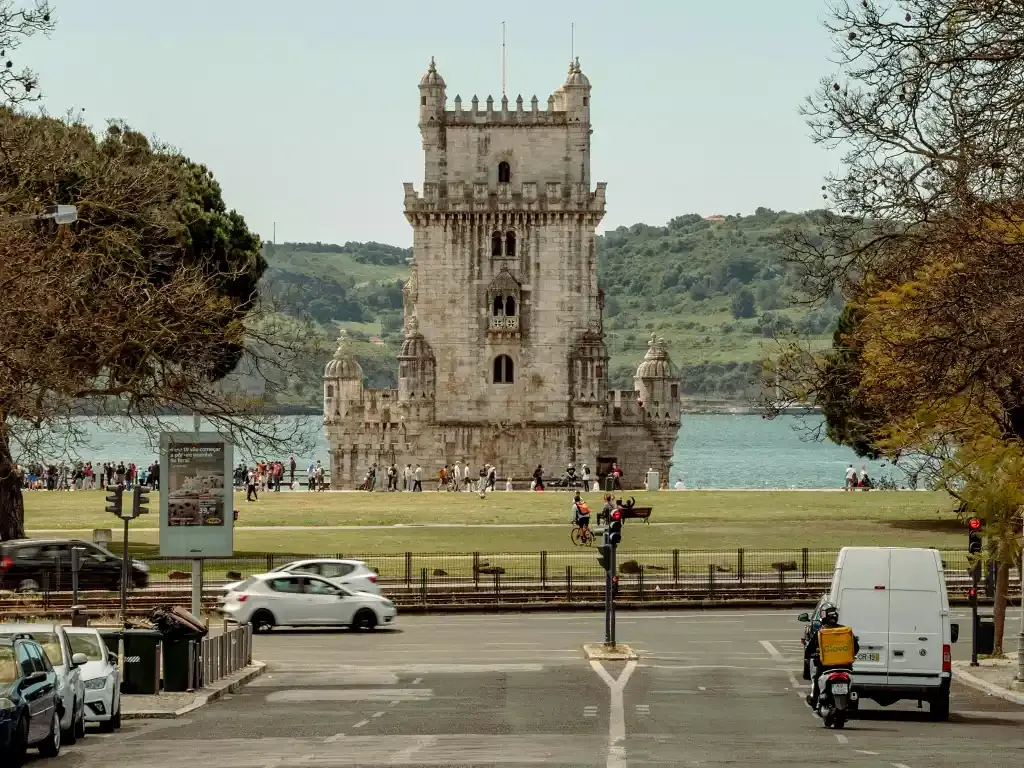
The exterior of Belém Tower and the surrounding gardens remain accessible year-round. The Manueline stonework, the rhinoceros gargoyle on the western façade, and the armillary sphere reliefs are all visible from outside. The exterior gives a clear impression of the tower's Manueline stonework and its position on the Tagus River.
How to get to Belém Tower?
Belém Tower stands on the riverfront at Avenida Brasília, 1400-038 Lisboa, approximately 6 kilometres west of Lisbon's city centre. There are several ways to get there:

By tram
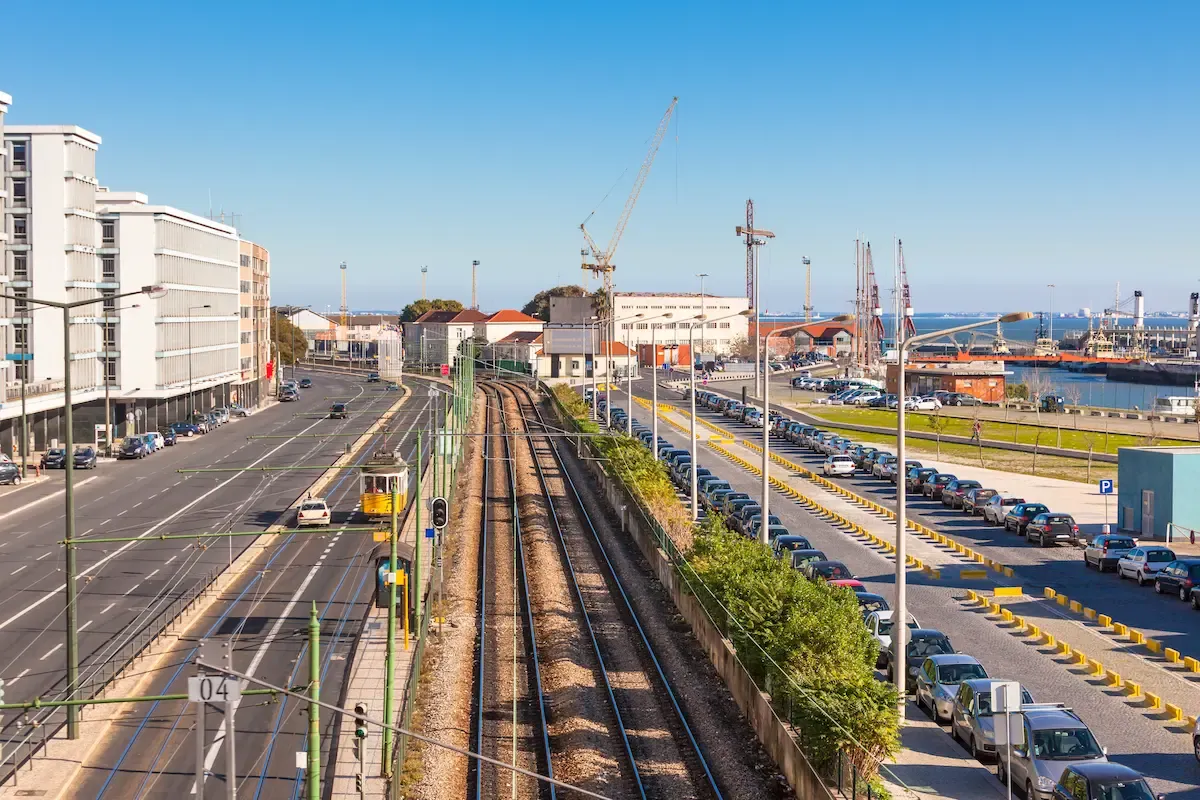
Tram 15E (Elétrico 15E) is the most direct public transport link to the Belém waterfront. The tram runs along the Tagus riverfront and stops at Largo da Princesa, from which Belém Tower is roughly a 9 to 11-minute walk. Tram 15E operates year-round and is included in the Lisboa Card.

Opening hours and practical tips
When open, Belém Tower opening hours are: Tuesday to Sunday from 9:30am to 6:00pm, with the last entry accepted at 5:30pm. The tower is closed on Mondays and on the following public holidays: 1 January, Easter Sunday, 1 May, 13 June, and 25 December. For the current renovation closure, see the information at the top of this page. Interior visits are suspended until approximately spring–summer 2026.
Practical tips for visiting Belém Tower:
- Arrive early. The first entry slot at 9:30am is consistently the least crowded. Queue times of 30 minutes or more are common from mid-morning during summer months.
- Plan around 45 minutes for the interior visit across the five floors, plus 15–20 minutes to explore the bastion exterior and the riverside gardens.
- The spiral staircase is narrow. Each floor is connected by a single-file staircase. Visitors going up and those coming down must take turns at peak times. Travellers with limited mobility should note that the upper floors and the roof terrace are accessible only via these stairs, with no lift available.
- Visitors may photograph throughout the monument, including on the roof terrace.
- Combine with Jerónimos Monastery. The monastery, located approximately 300 metres away, shares its UNESCO designation with Belém Tower. Most visitors cover both in a single half-day excursion.
A brief history of Belém Tower
Construction of Belém Tower began in 1515 under the orders of King Manuel I, with Francisco de Arruda directing the works. The tower was built on a basaltic outcrop in the Tagus River estuary, positioned to control the entrance to the port of Lisbon and to provide a ceremonial departure point for Portuguese navigating expeditions. By 1519 the main structure was complete, and Gaspar de Paiva was appointed the first Captain-General in 1521, two years before King Manuel I's death.
The tower served its original defensive and ceremonial function through the 16th century. In 1580, during the Iberian Union, a period when Portugal came under Spanish rule, the garrison surrendered to the forces of the Duke of Alba. The tower's lower chambers were used as a prison, a function that continued until 1830. During the Napoleonic occupation of Portugal in the early 19th century, prisoners were held in the basement cells, which could flood at high tide.
The tower's heritage status was formally recognised in 1910, when the Portuguese government classified it as a Monumento Nacional. International recognition followed in 1983, when UNESCO inscribed Belém Tower on the World Heritage List together with Mosteiro dos Jerónimos, acknowledging the two buildings as outstanding expressions of Manueline architecture and the Portuguese Age of Discoveries. In 2007, Belém Tower was added to the Seven Wonders of Portugal on 7 July.
The tower is built from lioz limestone, a pale stone quarried in the Lisbon region, with four storeys rising above a wide bastion. The Manueline decoration — the fusion of Gothic structure with maritime ornament, Moorish-influenced loggias, and Renaissance detailing — reflects the ambitions and cosmopolitan character of the Portuguese empire at its height.