Belém Tower
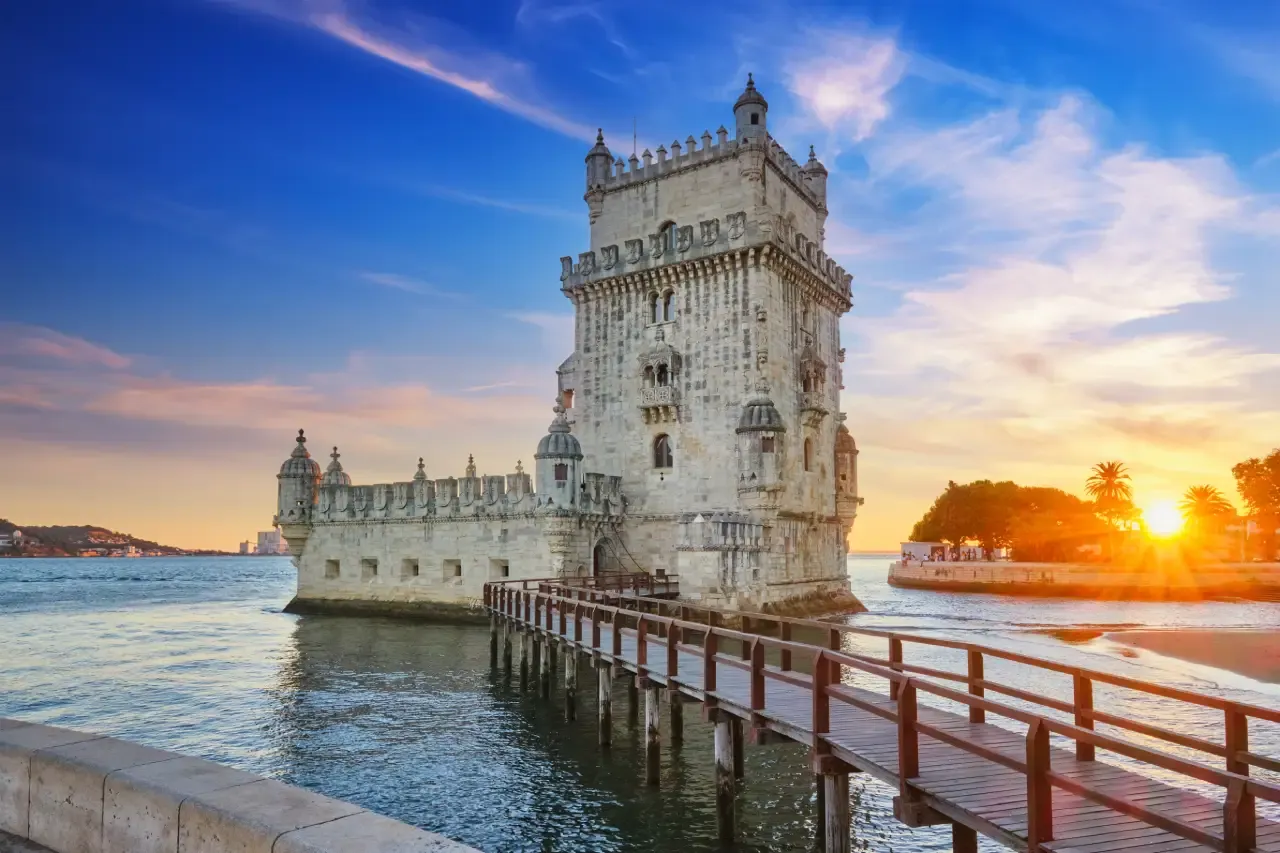
Belém Tower is a 16th-century Manueline fortification on the Tagus River in Lisbon, Portugal, built between 1514 and 1519 as a ceremonial gateway and defensive post at the mouth of the estuary from which Portuguese explorers set out on the expeditions that mapped the world's oceans. The tower is a UNESCO World Heritage Site and ranks among the most complete surviving examples of Manueline architecture.
What is Belém Tower?
Belém Tower (Torre de Belém) is a 16th-century fortified tower on the northern bank of the Tagus River in Lisbon, Portugal, built between 1514 and 1519 and designated a UNESCO World Heritage Site in 1983. As of March 2026, the tower is closed to visitors for construction works under Portugal's PRR programme.
The tower stands 30 metres tall and combines two distinct structures: a lower bastion and a four-storey keep, both constructed from lioz limestone quarried locally in the Lisbon region. Francisco de Arruda designed the tower on commission from King Manuel I (1495–1521), who intended it as a ceremonial gateway for Portuguese explorers departing on and returning from oceanic expeditions.
Is Belém Tower currently open?
The Belém Tower is currently closed for structural conservation and renovation works as part of Portugal's Recovery and Resilience Plan (RRP). This closure, which began in April 2025, restricts all interior access to the 16th-century fortress on the Tagus riverbank. Officials expect the monument to reopen in Spring 2026, though this timeline depends on the progress of the restoration. While the interior remains inaccessible, the exterior of the tower stays visible from the riverside promenade on Avenida Brasília for photography.
History of Belém Tower
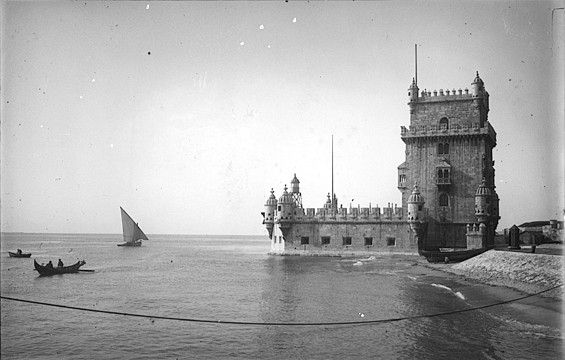
King Manuel I commissioned the Belém Tower to defend the Tagus River estuary, a project originally conceived by King João II. Architect Francisco de Arruda directed the construction on a rocky island near the northern bank. Although popular myths suggest the 1755 earthquake shifted the river's course, the tower remained in its original proximity to the shore.
Over centuries, the structure transitioned from a military fortress to a customs post, lighthouse, telegraph station, and prison. In 1907, the government designated it a National Monument. UNESCO granted World Heritage status to the tower and the Jerónimos Monastery in 1983. Today, the monument represents the Manueline architectural style and the Portuguese Age of Discoveries.
Architecture of the Belém Tower
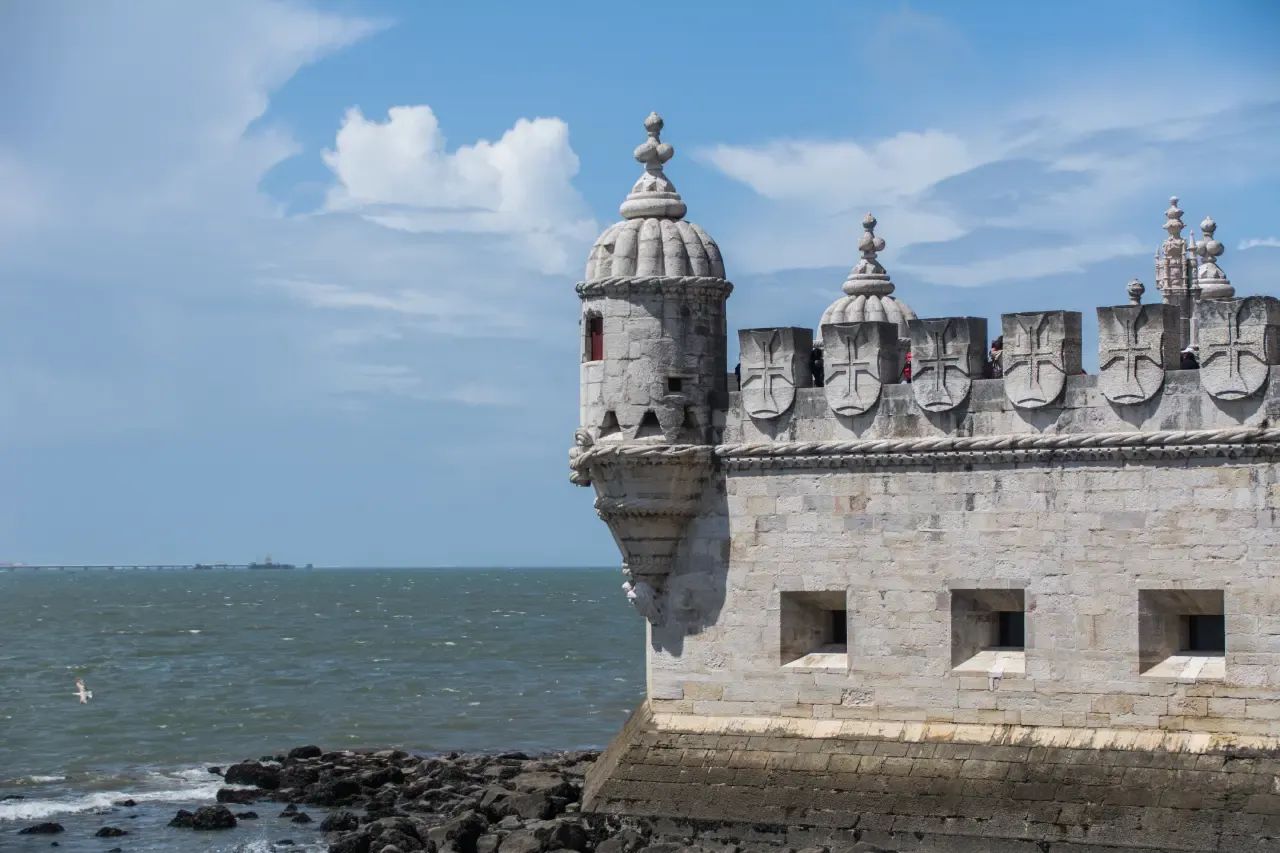
Belém Tower consists of two interconnected parts: the bastio and the four-storey tower rising 30 metres above it. Both parts are constructed from lioz limestone, a stone quarried locally in the Lisbon region and prized for its workability and light colour.
Technical structure and materials
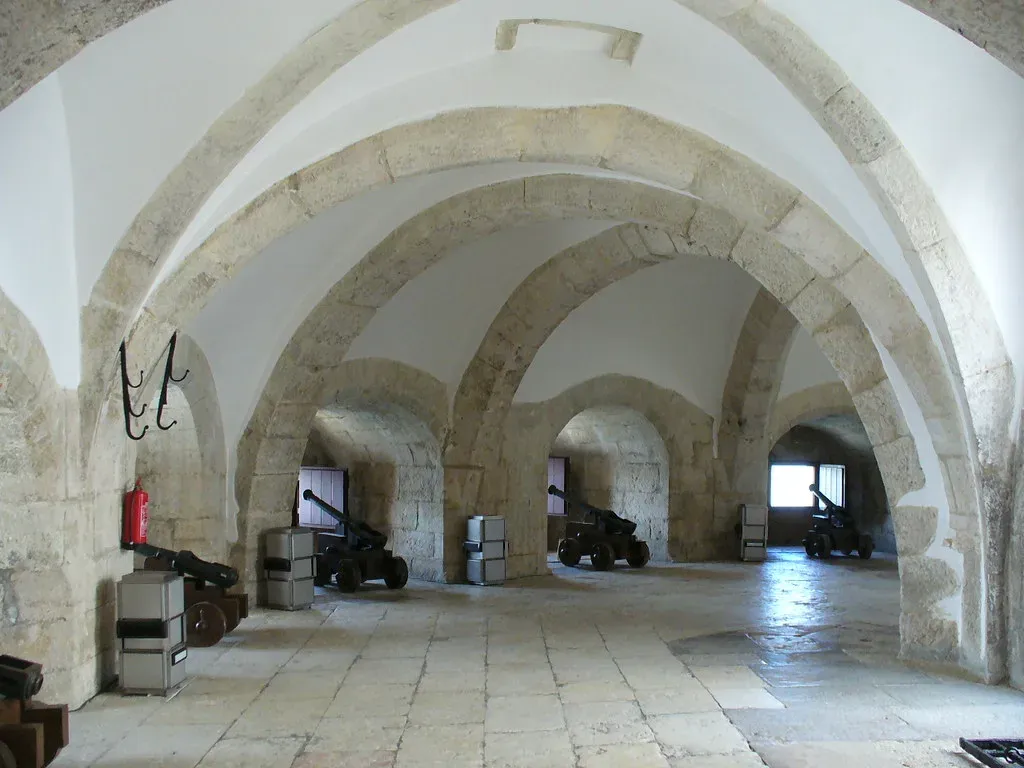
The bastion originally functioned as a low-level artillery platform, housing embrasures for heavy cannons to defend the Lisbon coast. Above this, the tower floors provided space for storage, royal quarters, and a chapel.
The integration of these two components created a functional military fortress that also served as a sophisticated coastal landmark for returning maritime expeditions.
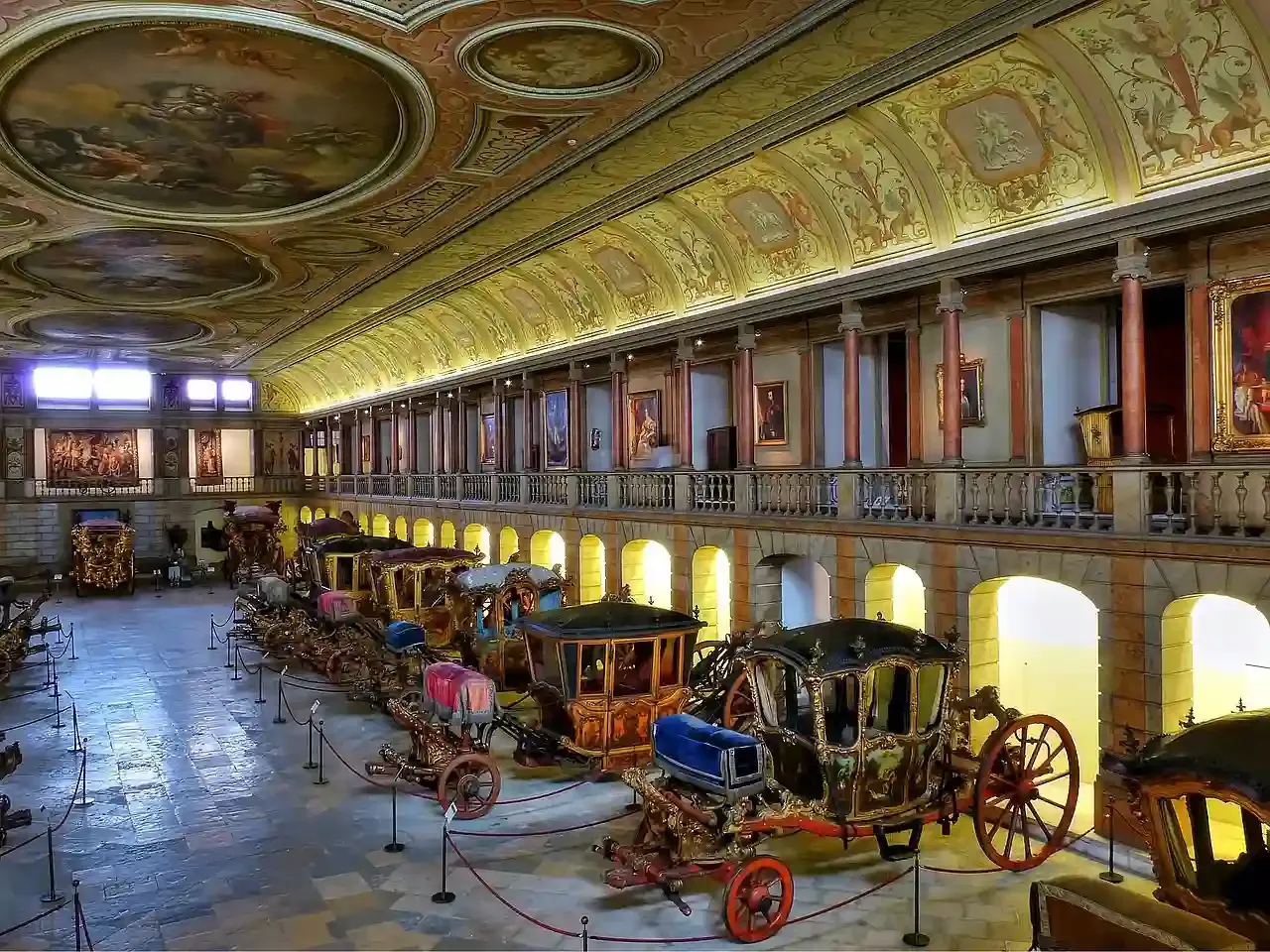
Photo: “Belém Tower - Interior” by Leandro Neumann Ciuffo.
Visitor tips and practical information
Visitors who plan a trip to Belém Tower when it reopens should keep the following points in mind.
- Plan for 45 minutes to 1 hour inside. The tower has six levels and is not large. A thorough visit to all floors, including time to take photographs from the roof terrace, takes approximately 45 minutes. Adding 15 to 20 minutes to walk around the exterior and the bastion walkways gives a total visit of roughly one hour.
- Arrive early or visit on a weekday. Queues at the on-site ticket office build from mid-morning. Visiting on a weekday, particularly in the first hour after opening (9:30am), provides the quietest experience. Weekends and public holidays attract the largest crowds.
- Book online before arriving. On-site queues during peak periods can reach 30 to 45 minutes. Pre-booking a timed entry slot reduces this wait.
- Strollers cannot enter the tower. The single interior staircase is narrow, and ceiling heights on some levels are low. Pushchairs and prams must be left at the entrance. Families with young children who cannot manage steep steps independently will find the interior difficult.
- Be aware of pickpockets in the surrounding area. The Belém waterfront is a busy tourist zone. Visitors should keep bags fastened and valuables secured, particularly in crowded periods around the tower and tram stops.
- Sunset visits give the best light. The tower faces west over the Tagus estuary. Late afternoon light falls directly on the limestone facade, which is why most photography at the tower is shot in that window.
What to do near Belém Tower?
The Belém district concentrates several of Lisbon's most significant monuments and cultural institutions within walking distance of the tower. Even during the tower's current closure, the area justifies a half-day visit.

Pastéis de Belém (900 m)
This bakery has produced the original pastel de nata since 1837 using a recipe from the Jerónimos Monastery. The business operates from a historic building on Rua de Belém, where staff maintain a confidential preparation process in a restricted “secret room.”
Visitors consume the custard tarts with cinnamon and powdered sugar in tiled dining halls. Although long queues frequently extend onto the sidewalk, the kitchen maintains a high-volume output to satisfy constant demand. The establishment is the only location authorized to use the "Belém" designation for these tarts.